
18 Italian Foods to Try: Famous Dishes and Regional Favourites
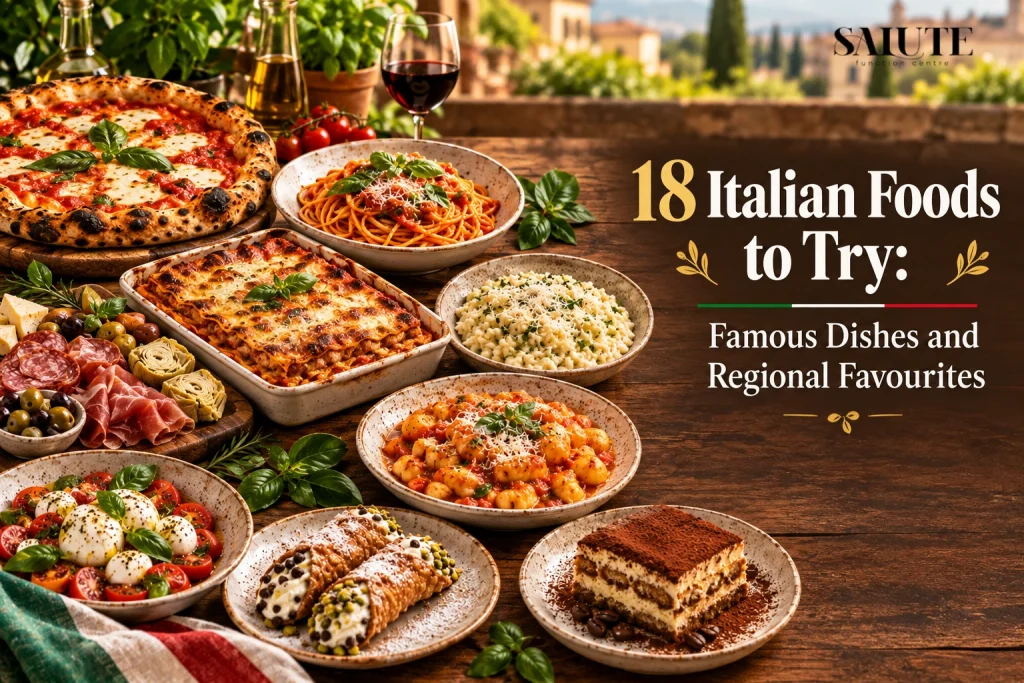
Ask ten people for their favourite Italian food, and you’ll get ten different answers. That’s the beauty of it. From Neapolitan pizza and Roman pasta to crunchy Sicilian arancini and silky tiramisu, Italian cuisine is a collection of regional traditions rather than one fixed menu.
This Italian foods list brings together 18 famous dishes, covering pasta, rice, seafood, meat and vegetables. Whether you’re a long-time fan or just starting to explore, you’ll find out what each dish is, where it comes from and who it suits best.
Why Are Italian Foods So Popular Around the World?
Italian food is popular because it pairs familiar ingredients with plenty of regional character. Tomatoes, olive oil, herbs, cheese, vegetables, seafood and pasta appear in many recipes, yet each region uses them in its own way. The cooking is usually straightforward, and it lets good produce do the talking.
Seasonality and shared meals matter just as much. Italian cooking has long been valued for its social and cultural side as well as its recipes.
18 Famous Italian Foods Worth Trying
This list moves through appetisers, pasta, rice dishes, seafood, meat and vegetables. Pick whatever suits your appetite, or work your way down it.
1. Bucatini
Bucatini looks like thick spaghetti with a tiny hole running through the middle. It comes from Lazio, the region around Rome.
That hollow centre catches sauce, which is why bucatini suits amatriciana so well. This classic combines tomato, guanciale (cured pork cheek), Pecorino Romano and black pepper or chilli, depending on the cook. If you like pasta with a proper bite and a savoury sauce, start here.
2. Lasagna al Forno
Lasagna al forno is pasta sheets layered with sauce and other fillings, then baked together. The Bolognese-style version usually combines meat ragù, béchamel and Parmigiano Reggiano.
The top turns golden while the layers inside stay soft and rich. Other regions use vegetables, ricotta or local cheeses instead. It’s the dish to order when you want something hearty and oven-baked.
3. Arancini
Arancini are Sicilian rice balls, coated in breadcrumbs and fried until crisp. The classic filling is ragù, peas and cheese, though fillings vary across Sicily. Some are round and some are cone-shaped.
The crunchy shell against the soft, savoury rice inside makes them a favourite snack, starter or party nibble. If you want an Italian food to try beyond pasta, arancini are an easy first step.
4. Spaghetti alle Vongole
Spaghetti alle vongole is clams, garlic, olive oil and parsley tossed through spaghetti. Some cooks add white wine or chilli, while others keep it very simple.
It’s closely tied to the coast of southern Italy, especially Campania. The flavour comes from the clams themselves rather than a heavy sauce, so it suits anyone who prefers lighter, fresher, slightly briny pasta.
5. Melanzane alla Parmigiana
This is baked aubergine layered with tomato sauce and cheese, often with Parmesan on top. Depending on the regional recipe, the aubergine may be fried before it’s assembled.
The result is tender, savoury and comforting, with a golden, bubbling top. It works as a main or as part of a bigger spread. Vegetarians often love it, but check the ingredients if you avoid certain animal products.
6. Calamarata
Calamarata is a wide, ring-shaped pasta from Naples and Campania. The rings look like sliced calamari, which is where the name comes from, and which is also why it pairs so naturally with seafood.
It’s usually cooked with squid, tomato, garlic, olive oil and herbs, sometimes with a little chilli. The thick rings stand up well to chunky sauces. If you enjoy seafood and want something less familiar than spaghetti, this is a great pick.
7. Ravioli
Ravioli are little pasta parcels filled with ricotta, spinach, meat, pumpkin or mushrooms, then served with a sauce chosen to suit the filling.
A delicate ricotta filling goes beautifully with sage butter, while meat-filled ravioli can handle a tomato or meat-based sauce. They show that pasta doesn’t have to be long strands or tubes, and the filling is every bit as important as the pasta around it.
8. Fritto Misto
Fritto misto means “mixed fried foods”. What goes in depends on the region. Seafood versions often include squid, prawns and other small catches, lightly coated and fried until crisp, while others lean on vegetables.
It’s served hot with a squeeze of lemon to cut through the richness. It’s perfect for sharing as a starter or as part of a larger meal. If you have a seafood allergy, ask what’s in it before you order.
9. Vitello Tonnato
Vitello tonnato comes from Piedmont in northern Italy. Thin slices of cooked veal are served cold under a smooth tuna sauce, often with capers.
Meat and tuna may sound like an odd pairing, but the mild veal and the savoury sauce balance each other well. It’s a classic opener for a multi-course meal, and a good choice if you enjoy chilled starters.
10. Bistecca alla Fiorentina
Bistecca alla Fiorentina is a thick T-bone steak from Florence and Tuscany. It’s cooked over high heat with very little seasoning, so the beef is the star.
It’s traditionally served rare in the centre, which won’t suit everyone. The steak is big enough to share, and it’s usually served with simple sides instead of rich sauces. For meat lovers, it’s one of Tuscany’s best-known dishes.
11. Gnocchi
Gnocchi are soft dumplings made from potato, flour and other ingredients, depending on the recipe. Potato gnocchi are the most familiar today, but Italy has several regional versions.
They go well with tomato sauce, pesto, cheese sauce or browned butter and sage. Their pillowy texture sets them apart from pasta, even when the sauce is the same. They’re a comforting option when you want something different from another bowl of spaghetti.
12. Galletto alla Calabrese
Galletto alla Calabrese is a chicken dish from Calabria in southern Italy. Recipes vary, but it typically features young chicken marinated with herbs, garlic and chilli.
Calabrian cooking loves bold flavours, and chilli appears in many of its dishes. If you enjoy roasted or grilled poultry with a savoury, gently spicy kick, this one is for you.
13. Polpette di Carne
Polpette are Italian meatballs, usually made with minced meat, breadcrumbs, egg, cheese and herbs. They might simmer in tomato sauce or be pan-fried, depending on the family recipe.
In Italy, they’re often served on their own or alongside other dishes rather than piled on top of spaghetti. That versatility makes them a dependable choice when you want something simple and savoury.
14. Polipo Grigliato
Polipo grigliato is grilled octopus, cooked until tender and then finished on the grill for a lightly charred edge. Olive oil, lemon, garlic and herbs are the usual partners.
It reflects Italy’s coastal food traditions. Octopus turns tough if it isn’t cooked properly, so it pays to order it from a kitchen that knows what it’s doing. The firm texture and smoky flavour suit seafood fans who want to go beyond prawns and calamari.
15. Involtini di Melanzane
Involtini di melanzane are aubergine rolls filled with ricotta, mozzarella or other cheeses, then baked in tomato sauce. Fillings differ from one household or region to the next.
The aubergine softens as it bakes, the cheese adds richness and the tomato brings a little acidity. It makes a lighter alternative to meat mains and works as a starter or a shared dish. If you have dietary restrictions, check the filling first.
16. Saltimbocca alla Romana
Saltimbocca alla Romana is a Roman classic of thin veal cutlets topped with prosciutto and sage, cooked in butter and wine to make a quick pan sauce.
The name is often translated as “jumps in the mouth”, a nod to how flavourful it is. Salty cured ham and fragrant sage give the veal most of its character. It’s a good choice if you like traditional meat dishes that keep things simple.
17. Carpaccio di Manzo
Carpaccio di manzo is very thin slices of raw beef, dressed with olive oil, lemon and seasoning. Some versions add capers, rocket or shaved Parmesan.
It’s linked to Venice, where it became popular in the mid-twentieth century. The appeal is the delicate beef against the fresh, sharp dressing. Because it’s raw, buy it from a reputable provider, and skip it if raw meat isn’t suitable for your health.
18. Insalata Caprese
Insalata Caprese is tomatoes, fresh mozzarella, basil and olive oil, and nothing much else. It’s associated with the island of Capri.
Ripe tomatoes bring sweetness and acidity, mozzarella adds creaminess, and basil gives a fresh, herbal lift. It’s a perfect starter or light side, especially when tomatoes are in season. For a first taste of Italian cooking, it’s hard to beat.
How to Choose Italian Food for Your Taste
The best Italian food to try depends on what you enjoy and how big a meal you want.
- Pasta lovers: Start with bucatini, ravioli or gnocchi. Each has a different texture and works with many sauces.
- Seafood fans: Try spaghetti alle vongole, calamarata, fritto misto or grilled octopus.
- Vegetarians: Look at melanzane alla Parmigiana, insalata Caprese or involtini di melanzane. Check for animal-derived ingredients such as meat stock or cheese made with animal rennet.
- Meat lovers: Go for lasagna al forno, bistecca alla Fiorentina, polpette or saltimbocca.
- Sharing: Arancini, fritto misto and Caprese work well as starters or as part of a spread.
Planning to serve these dishes to a crowd? Our guide to choosing Italian catering in Perth covers how to match the menu to your guests.
What Makes Authentic Italian Food Different?
Authentic Italian food is less about one strict rulebook and more about regional tradition, good ingredients and sensible technique. A single dish can have several legitimate versions, and home cooking often looks quite different from what you’ll see in restaurants.
Carbonara is a good example. The Roman original uses eggs, Pecorino Romano, guanciale and black pepper, with no cream. Neapolitan pizza has its own dough and method. In the north, rice, butter and polenta show up more often than in much of the south.
Eating together is also part of the picture. Italian cooking is about passing down knowledge and sharing habits around the table, not just the food itself. The best way to appreciate it is to learn a dish’s background and accept that regional and family variations are part of the cuisine.
Bring Italian Flavours to Your Next Celebration
If this list has you hungry, you can taste Italian-inspired dishes at your own event. Salute Function Centre in West Perth offers pasta, arancini, Caprese salad, aubergine Parmigiana and more across its event menus. The selection depends on the current menu and the package you choose.
Here’s how to take the next step:
- Browse the Italian-inspired function menu to see current dishes and dining formats.
- Look through the venue gallery to picture your guests in the space.
- Read the story behind Salute Function Centre to see whether it suits your occasion.
- Get in touch with your date, guest numbers and event type, and the team can help you plan.
Frequently Asked Questions
What is the most popular Italian food?
Pizza and pasta are the most widely recognised Italian foods around the world. Popularity changes from country to country, though, and no single dish represents every Italian tradition.
Which Italian foods are suitable for vegetarians?
Good options include insalata Caprese, aubergine Parmigiana, some types of gnocchi and vegetable-filled ravioli. Always check sauces, fillings and cheeses, because some recipes use meat stock or animal rennet.
What is the difference between antipasti, primi and secondi?
Antipasti are starters. Primi are first courses such as pasta or risotto. Secondi are main courses, usually meat or fish. Contorni are side dishes, and dolci are desserts.
Are all Italian pasta dishes served with tomato sauce?
No. Italian pasta is paired with olive oil and garlic, cheese, butter, herbs, seafood or meat ragù. The sauce is chosen to suit the pasta shape and the other ingredients.
One Response